Catering Software and Catering Management Software: The Foundation of Modern Catering Businesses
The catering industry has evolved far beyond phone calls, spreadsheets, and manual event planning. Today’s catering businesses manage complex menus, high-volume events, tight delivery timelines, staffing coordination, and demanding customer expectations-all at once. To stay competitive and profitable, caterers are increasingly turning to catering software and catering management software.

In 2025 and heading into 2026, catering success is no longer defined only by food quality. It is defined by operational efficiency, accuracy, customer experience, and the ability to scale without chaos. Catering software has become the digital backbone that connects every moving part of a catering operation.
This blog explains what catering software is, how catering management software works, and why these systems are essential for modern catering businesses.
Why Catering Businesses Are Adopting Catering Software
Catering operations are fundamentally different from restaurants. Every event is unique, with different guest counts, menus, venues, staff requirements, and delivery schedules. Managing this complexity manually increases the risk of errors, wasted food, missed deadlines, and lost revenue.
Catering software centralizes these processes into one system, allowing businesses to plan, execute, and analyze events with greater control.
Key drivers behind adoption include:
Growing demand for corporate and recurring catering
Increased expectations for real-time communication and transparency
Rising food and labor costs require tighter cost control
Multi-location and multi-event operations
The need to scale without adding administrative overhead
What Is Catering Software?
Catering software is a digital platform designed to manage the full lifecycle of catering operations, from inquiry to event completion. Unlike basic POS systems, catering software focuses on planning, coordination, and execution across multiple teams and workflows.
At its core, catering software helps businesses:
Organize events and orders
Manage menus and pricing
Coordinate staff and logistics
Track inventory and costs
Handle invoicing and payments
Analyze performance and profitability
Catering Management Software vs Catering Software
The terms catering software and catering management software are often used interchangeably, but catering management software typically refers to more advanced, end-to-end systems.
Catering management software emphasizes:
Event management and scheduling
Staff and resource allocation
Client relationship management (CRM)
Financial tracking and reporting
Long-term operational planning
In practice, modern platforms combine both concepts, offering a complete solution that manages daily tasks and long-term business strategy in one place.
Core Features of Catering Management Software
To be effective in 2026, catering management software must go beyond basic order tracking. Below are the essential features that define modern catering systems.

Event Management and Scheduling
Catering management software provides a centralized calendar to manage multiple events, preparation timelines, and delivery windows. This reduces conflicts and ensures no event is overlooked.
Menu Management
Menus can be created, customized, and priced based on guest count, dietary needs, and ingredient costs. Software ensures consistency while allowing flexibility for unique events.
Order and Inventory Tracking
By linking menus to ingredient usage, catering software tracks inventory in real time. This helps reduce waste, avoid shortages, and improve purchasing accuracy.
Staff Scheduling and Coordination
Catering management software assigns chefs, servers, and drivers to events based on availability and workload. This improves labor efficiency and reduces scheduling conflicts.
CRM and Client Management
Customer profiles store event history, preferences, contracts, and feedback. This is especially valuable for corporate catering and repeat clients.
Invoicing and Payment Processing
Automated invoicing, deposits, and payment tracking improve cash flow and reduce administrative errors.
Reporting and Analytics
Dashboards provide insights into event profitability, food costs, staff efficiency, and customer trends, supporting smarter decision-making.
How Catering Software Improves Daily Operations
Catering software impacts daily business life in measurable ways. Instead of reacting to issues, teams operate with clarity and predictability.
Daily operational benefits include:
Faster event planning and approvals
Clear production and prep schedules
Reduced miscommunication between teams
Better control over food and labor costs
Fewer last-minute emergencies
Improved on-time delivery performance
When systems are connected, kitchens and event teams spend less time managing logistics and more time delivering quality service.
Enhancing Customer Experience with Catering Software
Modern catering clients expect professionalism, transparency, and convenience. Catering management software helps businesses meet these expectations by offering:
Faster quotes and confirmations
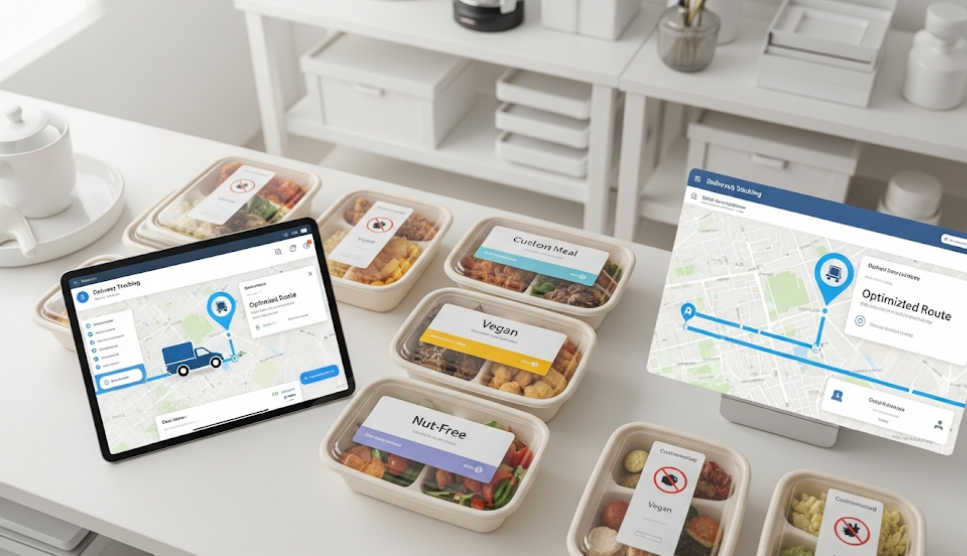
Clear menus with dietary and allergen information
Real-time updates on event status
Accurate billing and payment tracking
Consistent service across events
A smoother customer experience leads to higher retention, stronger referrals, and long-term contracts.
Catering Software Pricing: What Businesses Should Expect
Catering software pricing varies depending on features, scale, and business size. Common pricing models include:
Monthly subscription plans
Tiered pricing based on users or event volume
Custom enterprise pricing for large operations
While software is an investment, the return often comes from reduced waste, fewer errors, lower administrative costs, and improved event profitability.
Catering Software Trends Shaping 2026
As technology evolves, catering management software is becoming more intelligent and predictive. Key trends shaping the future include:
AI-powered demand forecasting to predict ingredient and staffing needs
Automation workflows that connect sales, kitchen, and delivery
Cloud-based systems for remote access and collaboration
Sustainability tracking to reduce waste and improve sourcing decisions
Advanced analytics for pricing, menu optimization, and growth planning
Businesses that adopt these tools early are better positioned to scale and adapt to market changes.
How Sprwt Supports Catering Businesses
Platforms like Sprwt illustrate how modern catering management software supports real-world operations. Sprwt provides an integrated system that helps catering businesses manage events, inventory, delivery, and customer relationships from one platform.
Sprwt supports catering operations through:
Automated production and cooking reports
Inventory tracking and waste reduction tools
Delivery route optimization
CRM and customer management
Invoicing and payment automation
White-label branding for professional client experiences
Analytics for performance and profitability tracking
By unifying these workflows, Sprwt enables catering businesses to operate efficiently while preparing for future growth.
Final Thoughts
Catering software and catering management software have become essential tools for businesses that want to operate efficiently, deliver consistently, and scale sustainably. In an industry where complexity is unavoidable, technology provides clarity, control, and confidence.
As the catering industry moves into 2026, businesses that invest in robust management systems will be better equipped to handle growth, meet customer expectations, and protect margins. Platforms like Sprwt show how modern catering software can transform operations from reactive to strategic, helping catering businesses succeed in an increasingly competitive market.

Comments
Post a Comment